Origins · Cacao · Venezuela
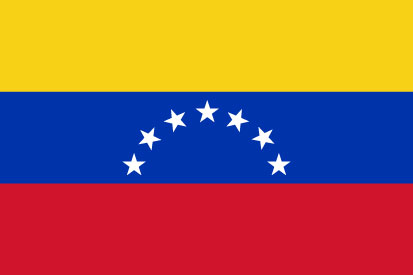
Venezuela flag Cacao · Origin 01

Venezuela, the best cacao
in the world.

Venezuelan cacao is recognized as the best in the world, with hints of flowers, almonds, fruits, malt, and vanilla on various funds that melt on the palate after taking the first bite — so are the flavors that gives the Venezuelan cacao.

The genetic variability of cacaos from Venezuela is perhaps one of the largest in the world. Production takes place in three Venezuelan regions: the North Eastern, the North Coastal, and the South Western.

The best in the world
Venezuelan cacao
Chapter 01

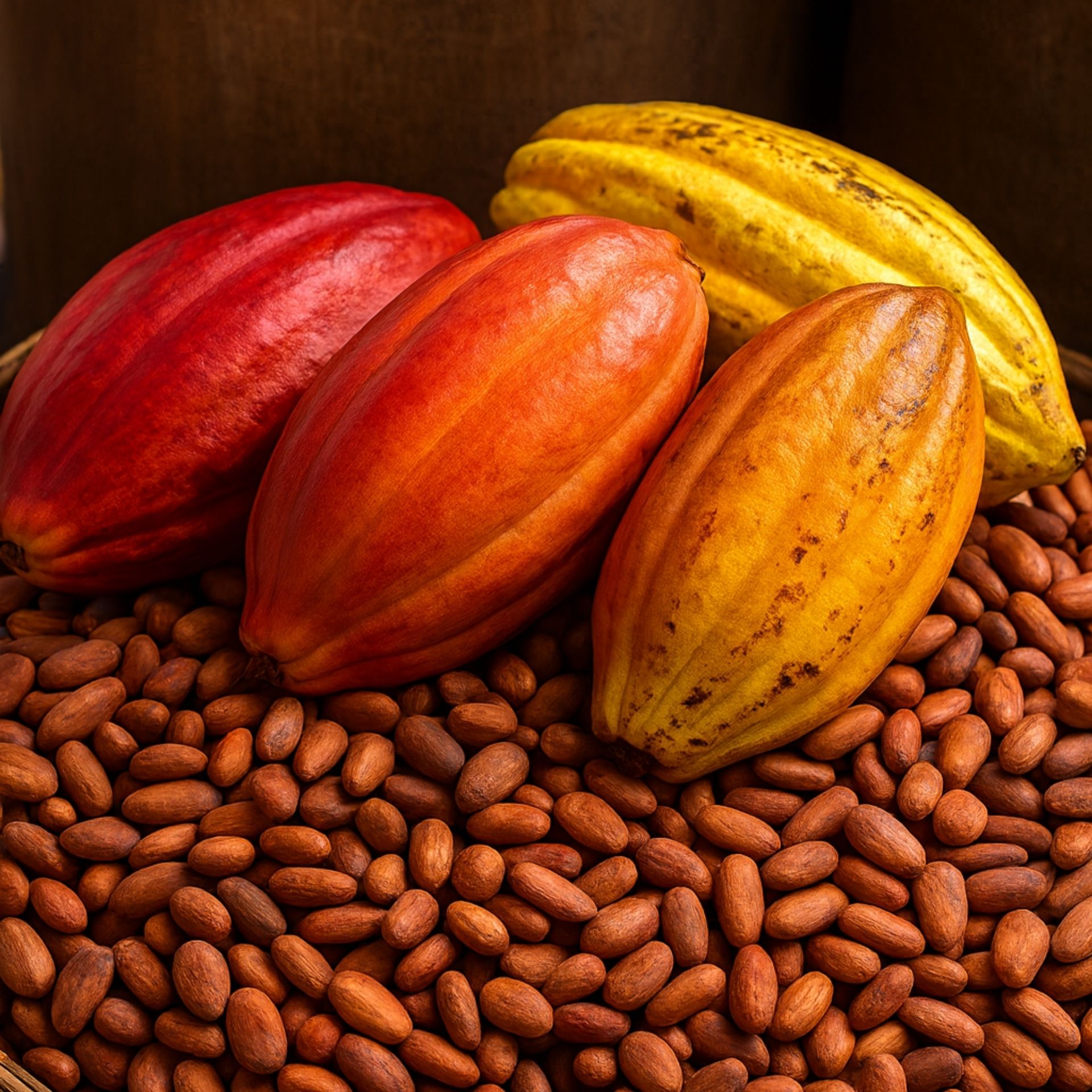
Cocoa beans

Eight historical varieties across three Venezuelan regions, each with its own heritage — supported by CACAOUS and 187 years of work with producers.

01

Carenero Superior

For decades, CACAOUS has worked in the area of Barlovento, supporting producers to develop quality cacaos. Located in the North Central region of Venezuela, Barlovento is the 3rd most productive cacao area in the country.

Well-known by the Asian market, this cacao keeps calling the attention of many chocolatiers by its genetics. In addition to the commercial relationship we provide, we support producers with the best agricultural and modern practices to maintain their farms productive and away from diseases.
02

Sur del Lago

For many years CACAOUS has been working in the area of Sur del Lago, supporting producers in the improvement of their crops. Located in the Southwest of the country, this is the most agricultural (and productive) area of Venezuela — where most of the crops (potato, onions, yucca, carrots, plantains) are produced. In the field of cacao, Sur del Lago represents the second most productive area in Venezuela, surpassing Carenero in the last years. It is also well known by the presence of an interesting percentage of Criollo blood in the beans.

Sur del Lago is considered as one of the most recent cacao developments in the country. It was one of the first areas where we chose to apply all our knowledge obtained in Rio Caribe.

With the support of Governmental and non-Governmental organizations, we put in practice new projects and activated others that were created but abandoned, making the necessary arrangements to adapt them into this area.

03

Rio Caribe Superior

The North East coast of Venezuela is where our cacao heritage began, with roots tracing back over 187 years.

This area is the most productive in the whole country, accounting with 50% of the country's production. This is due to two reasons: the extension of cacao in this area, and the different projects applied to increase production. One of them, and maybe the best known, is Proyecto Paria.

This project began as a social development that later was modified to a cacao project, increasing the production of Rio Caribe by 50%. Given its success, Proyecto Paria has been replicated in different cacao areas nationwide, obtaining positive results as well.

04

Puerto Cabello

Back in the days, all the cacaos harvested in this whole area used to be sold as one single origin. Its name goes after the port that producers and exporters used to send the beans overseas.

Canoabo used to be called the Criollo of the area. Later in the years, with technological development, the areas were segregated in Trincheras, Puerto Cabello, Mantuano, Patanemo, and Canoabo mainly.

Even though they are located in the same area (Parque Henry Pittier), each cacao offers different aromas and sabores. As we have provided technology and best agricultural practices to Patanemo and Trincheras, CACAOUS has also supported this small area.

05

Patanemo

Surrounded by mountains and beautiful beaches, Patanemo is one of the many valleys in the coast where exceptional cacaos are harvested. This valley is located in the North Coastal region of Venezuela, inside a National Park called Henry Pittier. With approximately 2,000 inhabitants, Patanemo has the perfect conditions to harvest cacao.

Since its beginnings in the early 1600s, this town — led by an ethnic group of 60 people — was dedicated to the cacao harvest.

In the last 10+ years CACAOUS has invested time in this area. The first time we visited Patanemo, we found a cacao with a limited production but outstanding characteristics, ideal to be well known worldwide and offered to the best chocolatiers. Some chocolatiers have visited this area and have fallen in love with this cacao and its people.

06

Trincheras

Well known by its thermal waters, this small valley is located up in the mountains, between Carabobo State and the coast in the North Central region — very close to Patanemo.

In its beginnings Trincheras was a single-family farm where coffee was produced up in the mountains while cacao was found close to the villages. After the years, this area was segregated into small farms and cooperatives. However, it still shows the ruins of the cacao fermentation areas made of clay, and the water channels used to bring down the coffee from the mountains.

07

Ocumare

The whole valley of Ocumare is surrounded by many big and small cacao plantations. Ocumare is located in Parque Nacional Henri Pittier. This park extends throughout the whole North Central region, rewarding us with varieties such as Chuao, Choroni, Cuyagua in Aragua State, and Trincheras, Puerto Cabello, and Patanemo (among others) in Carabobo State.

Some stories say this cacao has been used in different countries to create clones and new varieties, due to its excellent flavors. Given its great quality and organoleptic characteristics, Ocumare's special origins are sought after by the world's finest chocolatiers.

08

Deltano

Having a low level of fermentation, you can easily taste the differences in flavors, mainly noticed in a strong acidity, bitterness, and green/raw notes. However, it keeps the strong taste of cacao and fruits.

Chapter 02

Cocoa products

Finished cacao derivatives with full traceability and strict quality controls, ready for industrial and artisan use.

Cocoa Butter

Premium Venezuelan cocoa butter in carton boxes with a polyethylene inner sheath.

  • PackagingCarton boxes with polyethylene sheath, 20 kg each
  • Best beforeTwo years from production date
  • Storage22 °C · 60% relative humidity
  • ColorTypical yellow
  • OdorCharacteristic, without foreign odors
  • FlavorCharacteristic, without foreign flavors

Natural Cocoa Powder

High-quality natural cocoa powder with controlled fat and moisture.

  • PackagingBag or box of 20 kg net
  • Best beforeOne year
  • Storage20 °C (68 °F) · 60% RH
  • Fat content11.50% (10–12%)
  • Moisture2.10 (max. 5%)
  • Fineness98.74% (min. 98%)
  • pH (1:10)5.64 (6.0 – 8.0)
  • Ashes6.71% (max. 12%)
  • ColorCharacteristic brown
  • FlavorCharacteristic cocoa powder

Single Origin Cocoa Nibs

Made of Trinitario cocoa beans from the variety Sur del Lago Seleccionado – Venezuela, selected for its delicate aroma of almonds and fruits. Semi-finished product for industrial use.

  • Packaging15 kg carton box · 30 × 40 × 22 h cm
  • Best before10 months
  • StorageCool and dry, away from contaminating materials
  • AppearanceAccording to product's typology
  • pH (1:10)5.46

Explore other origins