 Cacao · Origin 03
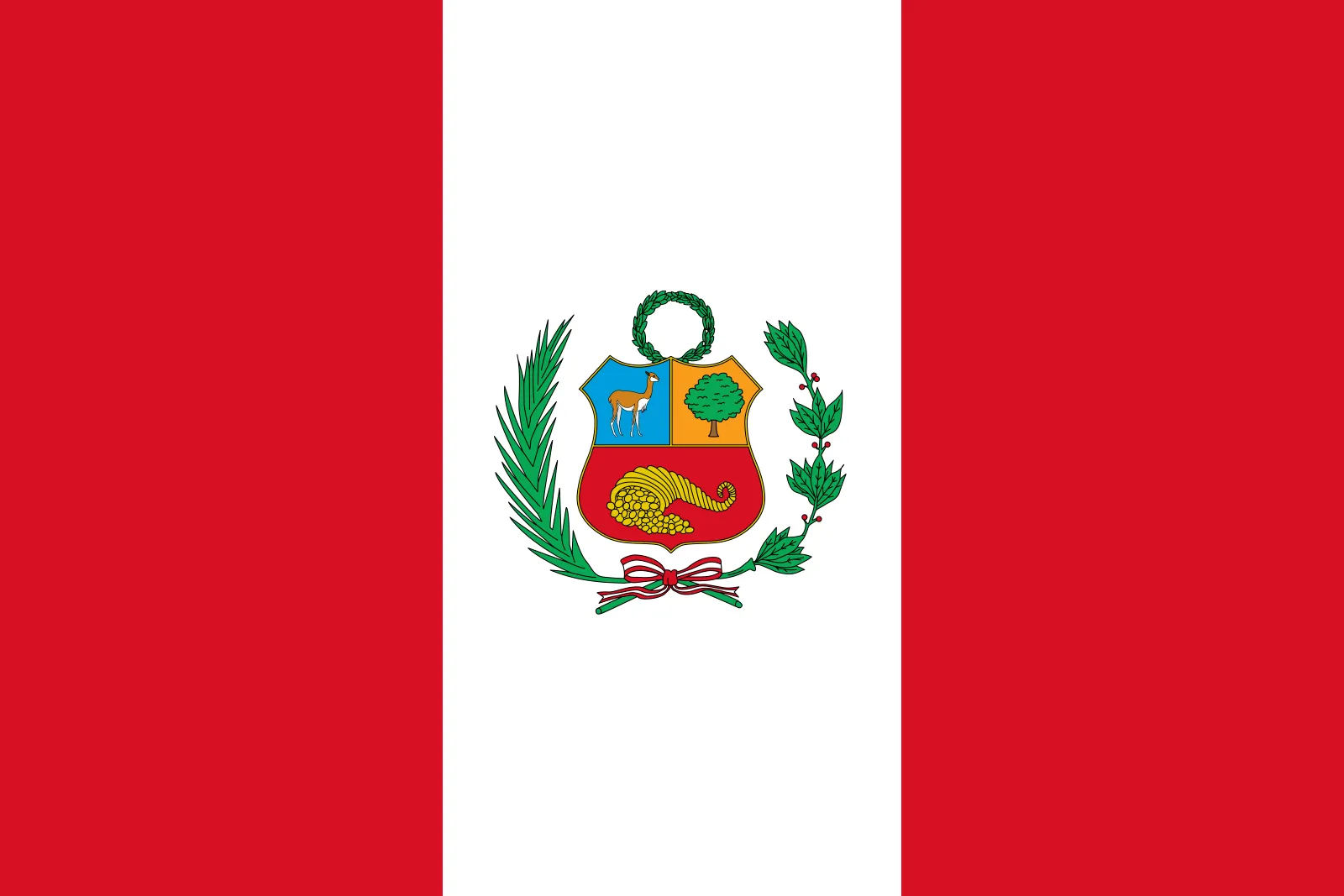
The growth in the expectations of consumer countries for Andean cacao have opened a window of opportunity that Peru is efficiently tapping. Peruvian government officials — supported by international cooperation agencies such as GTZ (Germany) and USAID — have launched vast programs to improve Peruvian cacao performance by selecting quality Trinitario clones and improving production processes, particularly in the post-harvest stages.
Nevertheless, the most spectacular progress has been accomplished in the transition from traditional to organic cacao plantations, to meet increasing world demand. Our suppliers are deeply involved in this development process, working closely with USAID and several cooperatives sourcing and promoting the best selection out of Peruvian production.
Our beans are 100% Peruvian and of excellent quality, accurately cleaned, correctly fermented and dried — used for the production of derivatives such as cocoa nibs, cocoa mass, cocoa butter, shell, and cocoa powder.
The Andean cacao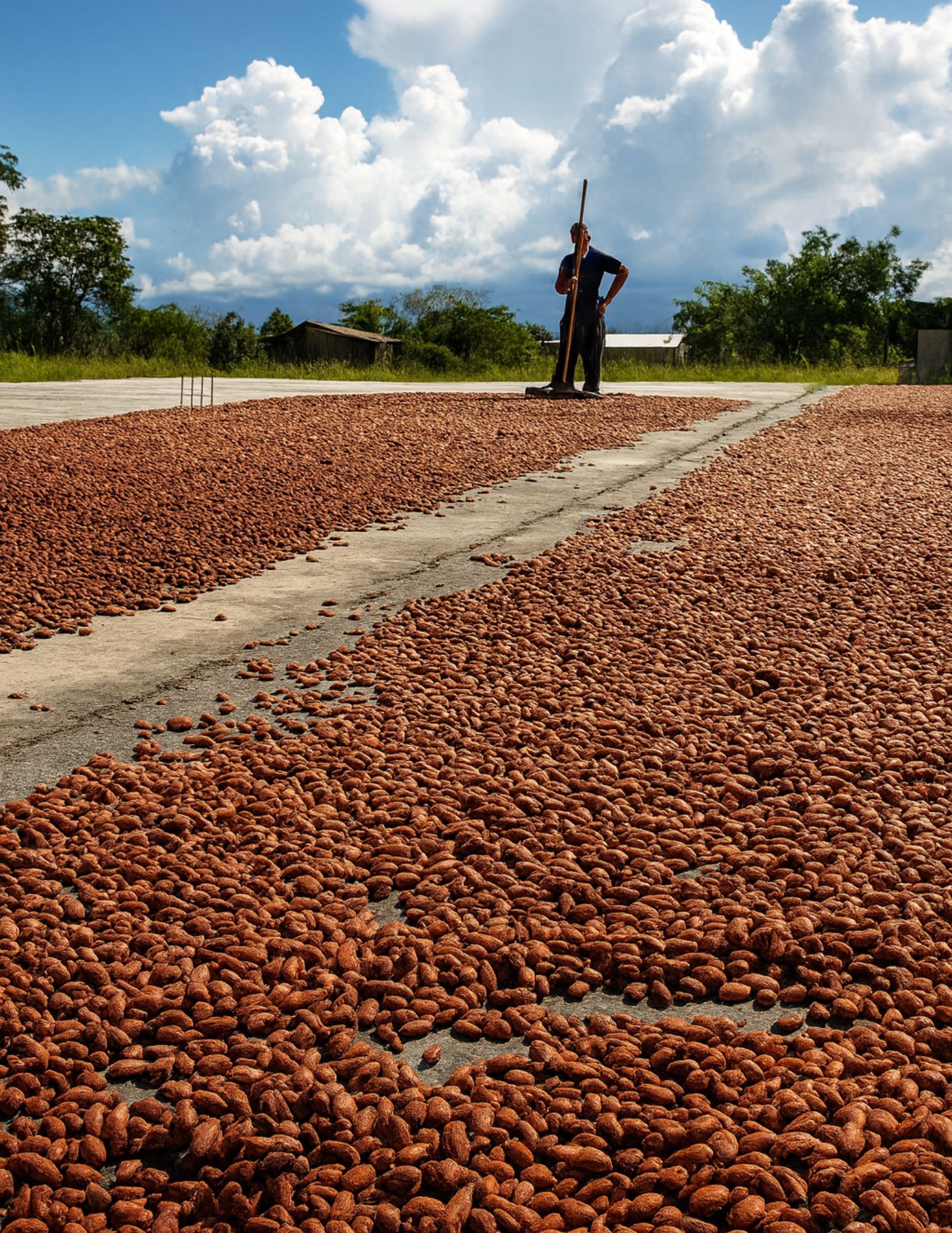
Five Peruvian cocoa derivatives — natural and deodorized liquor, standard and deodorized butter, and two alkalized powders.
Obtained by grinding and refining of Peruvian toasted cocoa, dehulled and crumbled — retaining its delicious flavor and aroma. Available as Natural or Deodorized, in organic and standard variants.
Solid fat composed of mixed fatty acids (palmitic, stearic, oleic), tempered as rectangular blocks. Obtained from pressing of cocoa mass, filtered and vacuum-deodorized.
Same mixed fatty acid composition, with a slight aroma of cocoa and no off-flavor. Ideal for confectionery applications requiring neutrality.
Obtained from defatted cocoa cake at 10-12% fat, reduced to fine powder by mechanical spraying.
Obtained from defatted cocoa cake at 20-22% fat, reduced to fine powder by mechanical pulverization and vacuum-deodorized.